
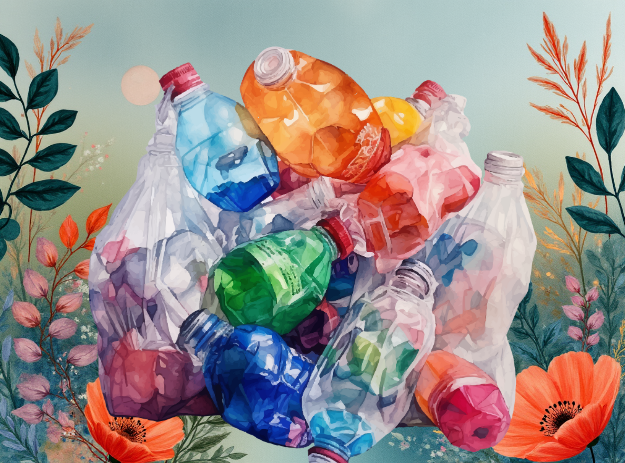
Did you know there’s more plastic around your child’s table than we usually notice?
Cups, lids, straws, spoons, snack containers.
These are the items your child touches every day—often multiple times a day. Because they’re so familiar, they tend to fade into the background.
But plastic use continues to grow globally, and concerns about microplastics in our environment have become part of everyday conversations. This isn’t about fear or perfection.
It’s about awareness, small choices, and starting where it feels realistic.

Most baby and kids tableware is made from a mix of materials:
-
Plastic (lids, straws, lightweight containers)
-
Food-grade silicone (snack cups, lids, flexible parts)
-
Stainless steel (plates, bowls, cups, cutlery)
-
Glass or ceramic (less common, mostly at home)
Rather than asking “Which material is best?”, a more helpful question is:
Which items are used most often, and which ones come into contact with heat or your child’s mouth?
That’s where priorities start to become clear.
A 1-Minute Home Check: How Many Apply to You?
Take one minute and look around your kitchen or dining area.
How many of these apply in your home?
-
Lids, straws, or caps (often the easiest first swap)
-
Plates or containers used in the microwave
-
Cups or dishes with scratches or discoloration
-
Containers that hold hot food right away
-
Kids-only tableware used more than twice a day
You don’t need to change everything.
One item is enough to start.
Why Lids, Straws, and Caps Are Often the First Step
Many parents start here because these items:
-
Are used frequently
-
Spend more time in direct contact with a child’s mouth
-
Are easier to replace individually
-
Don’t require changing daily routines
A small swap in a high-use item can feel manageable—and meaningful.
What About Microplastics?
You may hear about microplastics in water, soil, air, and even everyday household environments. Research in this area is still evolving, and many questions remain.
What most experts agree on is this:
Reducing unnecessary exposure where it’s easy and practical is a reasonable approach.
That doesn’t mean panic.
It means choosing calmer, more durable options where possible—especially for items used daily or with hot food.
A Simple, Realistic Way to Reduce Plastic at Home
Step 1: Start Today
-
Replace one scratched or heavily used item
-
Switch a lid, straw, or cap
-
Use non-plastic options for hot foods when possible
Step 2: Adjust by Habit (This Week)
-
Check which containers go into the microwave
-
Reserve plastic for cold or short-term use
-
Rotate in silicone, stainless steel, or glass when it makes sense
Step 3: Rethink “Kids-Only” Items (This Month)
The more single-purpose kids items we have, the faster they wear out—and the more we replace them.
Choosing products designed to be safe for kids, but practical for the whole family, often leads to fewer items and longer use.
Choosing Materials: A Practical Guide
There’s no perfect material for every situation.
Here’s a simple way to think about it:
-
Hot foods & long-term use → Stainless steel, glass, ceramic
-
Safety & flexibility for kids → Food-grade silicone
-
On-the-go snacks → Durable, easy-to-clean designs with fewer parts
Ask yourself:
-
Is this item used often?
-
Does it come into contact with heat?
If the answer is yes to either, that item deserves a closer look.
One Minute Is Enough to Begin
Today, just take one minute.
Find five plastic items your child uses regularly and choose one you feel comfortable changing.
For your child’s health.
For your family’s daily rhythm.
For the future we’re all sharing.
What will you start with in your home?
💭 FAQ
Is plastic always unsafe for kids?
Not all plastic is the same, and context matters. Rather than eliminating everything, many families focus on reducing use in high-contact or high-heat situations.
What’s the easiest item to replace first?
Lids, straws, and caps are often the simplest starting point because they’re easy to swap without changing routines.
Do I need to replace everything at once?
No. One thoughtful change is enough. Sustainable habits usually start small.
If you’re curious about building a calmer, more durable mealtime routine for your family, we share ideas designed around long-term use, safety, and everyday simplicity—one small step at a time.
Share:
A Simple Way to Steam Veggies for Kids Healthy Snacks Made Easy with Pickcup
A Different Way to Plan 2026: Why Busy Parents Need a “Not To Do” List